When What You See isn't the Whole Picture
Arnold was a sixth-grade student placed in a self-contained classroom primarily due to significant trauma rather than cognitive or academic need. His father had been cooking methamphetamine in the basement of their home, which resulted in an explosion. The home environment was unstable and unsafe, with frequent exposure to unpredictable adults and ongoing stressors that no child should have to endure.
At school, Arnold startled easily. He jumped when someone came too close, flinched at unexpected touch, and reacted strongly to loud noises—responses that are consistent with Post-Traumatic Stress Disorder. What was not typical, however, was his placement and the way his needs were interpreted.
The school was using the Boys Town model, a theoretical framework grounded in the belief that behavior reflects skill deficits and should be addressed through explicit teaching rather than punishment. In practice, though, the classroom relied heavily on a point-based system. Students lost points whenever rules were broken or expectations were not met.
Points were earned for completing assignments, following directions, and demonstrating socially appropriate behavior. Many students in the room engaged in attention-seeking or antisocial behaviors and, despite frequent corrections, remained actively engaged in the system—earning, losing, and chasing points.
Arnold did not. He sat quietly, withdrawn and visibly depressed, refusing to participate. His lack of engagement was interpreted as noncompliance, but in reality, he was not displaying a skill deficit—he was in a state of emotional shutdown. The point system failed to recognize that survival responses rooted in trauma do not respond to incentives or consequences in the same way learned behaviors do.
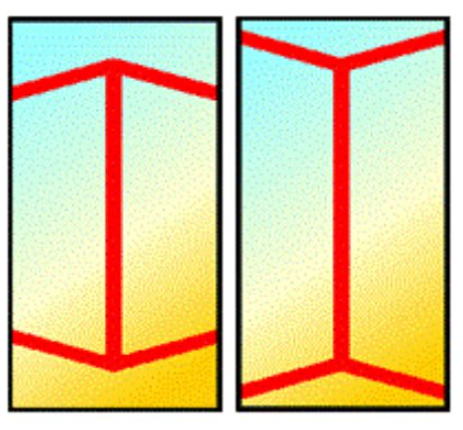
What this experience taught us is that not everything is what it looks like. Quiet is not always compliance, refusal is not always defiance, and systems designed to “fix behavior” can unintentionally harm students whose behavior is driven by trauma rather than choice.
++++++