Ponds, Pods, and Peculiar Decisions
Background - I was a special education teacher in a juvenile detention facility for two years at a maximum correction facility in Golden, Colorado. I was tasked with starting a self contained program for the most severe, disruptive, and violent students at the facility who qualified for special education services.
One of the ongoing challenges at the facility was line movement—moving youth from one building to another for lunch, recreation, or returning to the housing unit. Many of the students had ADHD and needed close supervision to remain in line and follow directions. On a particularly nice day, we took several students to a small park-like area with a bench and a pond, just to give them a chance to be outdoors and get fresh air.
One student, Chris, required constant adult proximity because he could not walk even a few feet without redirection. During the walk to the park, he frequently jumped out of line, spoke out of turn, or acted impulsively. On the way back, however, Chris completely transformed—he stayed in line, followed all rules, and even led the group. Staff recognized this as a potential turning point in his ability to follow expectations and regulate his behavior.
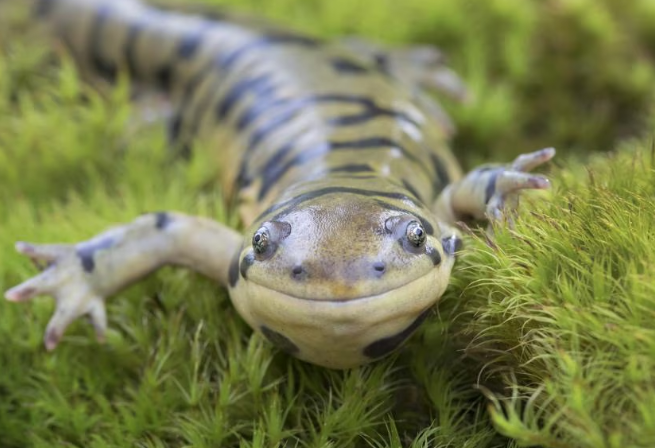
The following day, we were informed that Chris had developed a suspicious rash due to putting a salamander in his underwear in an attempt to bring it back to the pod as a “friend.”
What we learned is that salamanders can cause allergic contact dermatitis, resulting in red, itchy, or blistered areas on skin that come into close contact with the animal or its secretions. Moments of student independence or positive behavior (like Chris’s line leadership) can coincide with unpredictable, sometimes humorous, teaching moments—reminding staff to celebrate wins while staying vigilant for safety and hygiene.