Noise-Canceling-Noise

Background - I was a special education teacher at a juvenile detention facility within a maximum correctional facility in Golden, Colorado, for two years. I was tasked with starting a self-contained program for the most severe, disruptive, and violent students at the facility who qualified for special education services.
Charlie (pseudonym) was a senior in high school, nearing his nineteenth birthday, and did not have a GED or high school diploma. Charlie was a gang member serving time in a juvenile detention facility after repeated offenses involving drugs, stealing, and car theft. Charlie was a student with low academic skills and little interest in following rules.
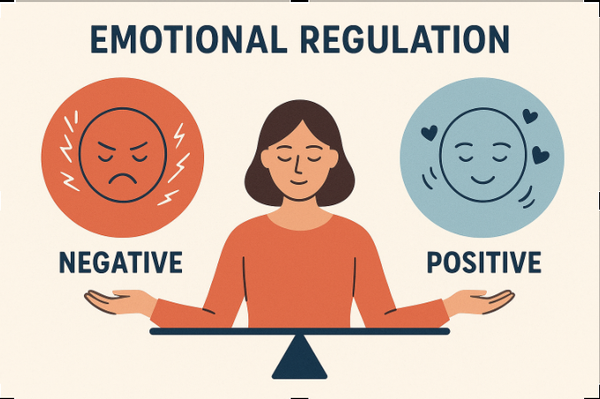
Several months after joining the program, Charlie was able to regulate his emotions, complete assignments with help, and often used headphones to focus on his academics and stay out of the drama typically associated with youth in detention facilities. It was also not uncommon for Charlie to be making his own beats and nodding his head to music that only we could hear. I still often picture him walking around with the headphones on, with the cord hanging down off his neck.
At lunch in the cafeteria, Charlie went up to the counter and selected his meal option. The service person asked him something, and Charlie just pointed to his headphones, gesturing that he couldn’t hear him, and walked away. As he was walking away, the service person asked me what he was listening to, and I responded with “nothing.”
What We Learned is that resilience can come from everyday moments of student creativity, independence, and personality. It’s also a reminder to celebrate the small wins, like a student choosing to engage in learning—even if it’s while listening to “nothing.”